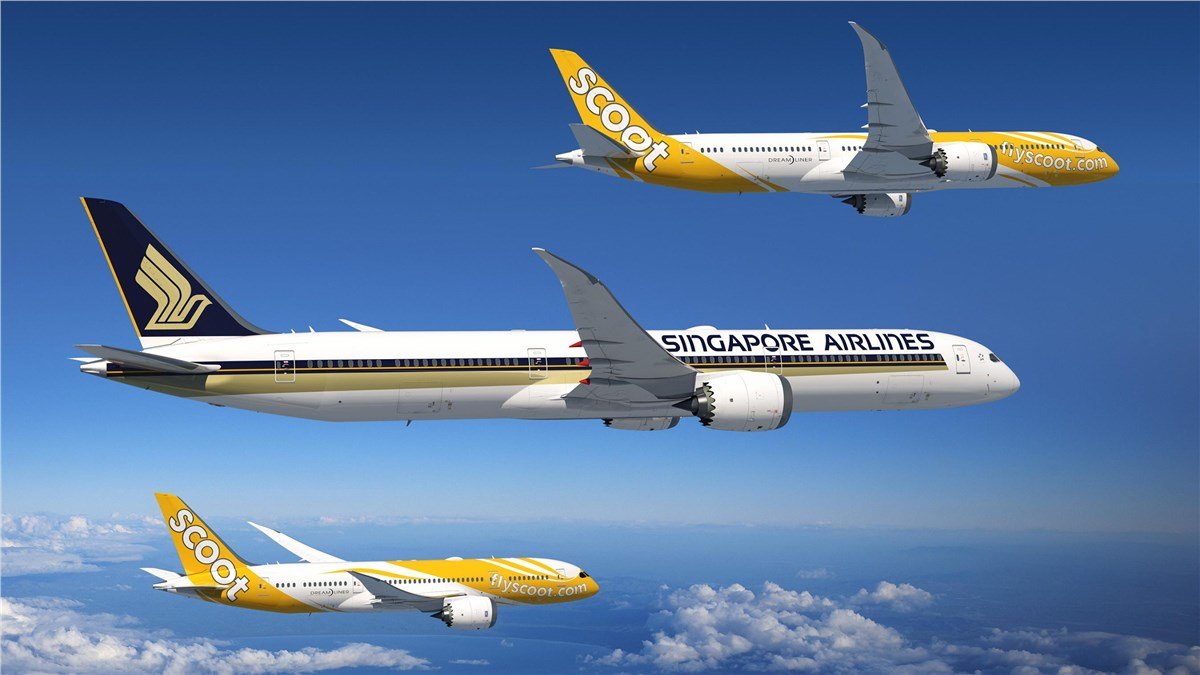
SINGAPORE — Boeing has sealed the largest landing gear exchange agreement in its history, partnering with the Singapore Airlines (SIA) Group in a deal announced at the Singapore Airshow. The comprehensive contract will see Boeing provide exchange services for landing gear across more than 75 aircraft, encompassing both the 737 MAX and 787 Dreamliner fleets.
The agreement marks a significant expansion of an established partnership, offering the airline group enhanced flexibility in scheduling gear overhauls. Rather than sending existing gear units into lengthy repair cycles, Boeing’s program allows operators to exchange removed assemblies for serviceable replacements from a global inventory pool. This approach minimizes the time aircraft remain out of service while ensuring components meet stringent operational standards.
William Ampofo, Boeing Global Services’ senior vice president for Parts & Distribution and Supply Chain, emphasized the collaborative nature of the arrangement. “Our relationship with the SIA Group is built on delivering dependable solutions,” he said. “By combining our global inventory and rapid distribution capabilities with the carrier’s maintenance planning, this agreement helps deliver parts faster and closer to operations—reducing downtime and supporting consistent, reliable service.”
Boeing’s Landing Gear Exchange program operates through a managed inventory network that reduces the need for airlines to warehouse expensive spare assemblies. For carriers operating high-frequency networks, the ability to quickly rotate components is critical to maintaining dispatch reliability. The program also provides technical and logistical support tailored to individual fleet requirements, enabling operators to align overhaul schedules with broader maintenance cycles.
The SIA Group deal is the latest example of Boeing’s push to expand its aftermarket services footprint. The company has increasingly focused on lifecycle support solutions that extend beyond original equipment manufacturing. Its portfolio now includes parts distribution, repair management, and advanced logistics—services designed to improve fleet readiness and reduce maintenance disruptions.
For Singapore Airlines and its regional arm, the agreement ensures continued access to critical components without the capital burden of maintaining extensive spares inventories. It also aligns with broader industry trends favoring performance-based logistics and supplier-managed inventory models.
As narrowbody and widebody fleets grow in complexity, exchange programs of this scale are expected to become more common. Boeing’s ability to secure such a sizable commitment reflects both the depth of its supply chain and the strength of its long-standing relationship with one of Asia’s premier carriers.