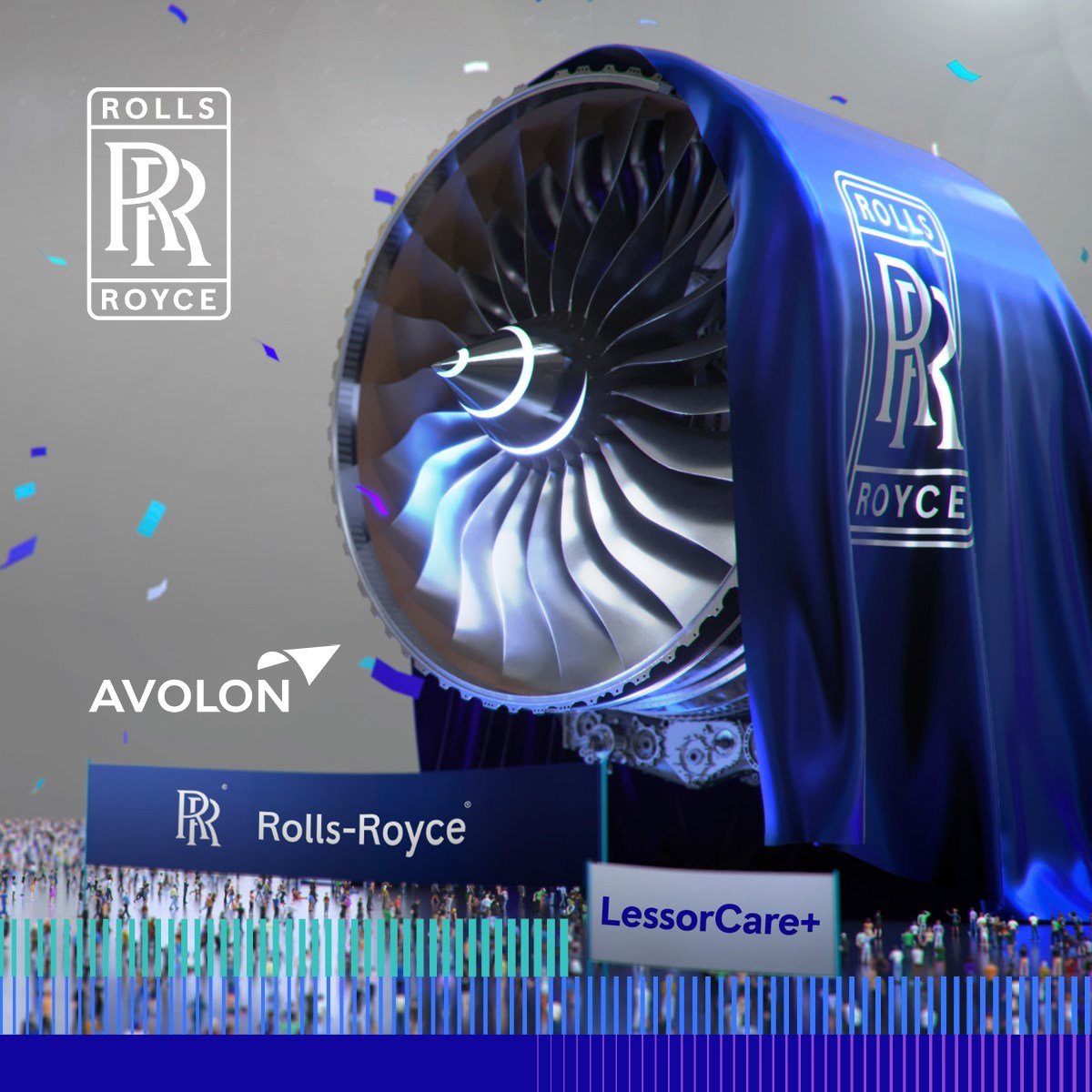
In a significant move to support the aircraft leasing industry, Rolls-Royce has unveiled LessorCare+, a next-generation engine management service. The programme has been launched with Avolon, one of the world’s leading aircraft lessors, as its inaugural customer.
This new offering builds directly upon the foundation of the established LessorCare programme, which has set a benchmark for OEM-lessor collaboration. LessorCare+ is designed to address the unique and growing complexities faced by asset owners, providing a more integrated and data-driven suite of services. The enhanced programme delivers deeper insights and robust support across critical areas such as aircraft transactions, fleet management, engine transitions, and specialized technical expertise.
The launch signifies a deepening of the strategic relationship between Rolls-Royce and Avolon, particularly as Avolon’s fleet of Trent-powered aircraft continues to expand.
Luke Mallows, Senior Vice President of Marketing & Leasing at Rolls-Royce, highlighted the importance of the milestone. “We are proud to welcome Avolon as the launch customer for LessorCare+,” he stated. “This marks another step forward in our longstanding collaboration and underscores our commitment to delivering exceptional value to asset owners and lessors, who are a vital customer group for us.”
From Avolon’s perspective, the enhanced service aligns operational models between the lessor and the manufacturer. Mark Harrison, Senior Vice President and Senior Powerplant Manager at Avolon, commented, “We are delighted to expand our partnership with Rolls-Royce through this programme. LessorCare+ introduces a new level of predictability and efficiency, enabling us to better meet our airline customers’ needs and deliver optimal, reliable fleet solutions.”
At its core, LessorCare+ reflects Rolls-Royce’s evolving strategy to simplify engine management for lessors. By offering a consolidated package of integrated services, the programme aims to enhance operational transparency, mitigate financial and technical risks, and improve long-term lifecycle planning—all while committing to expedited service levels that minimize aircraft downtime.