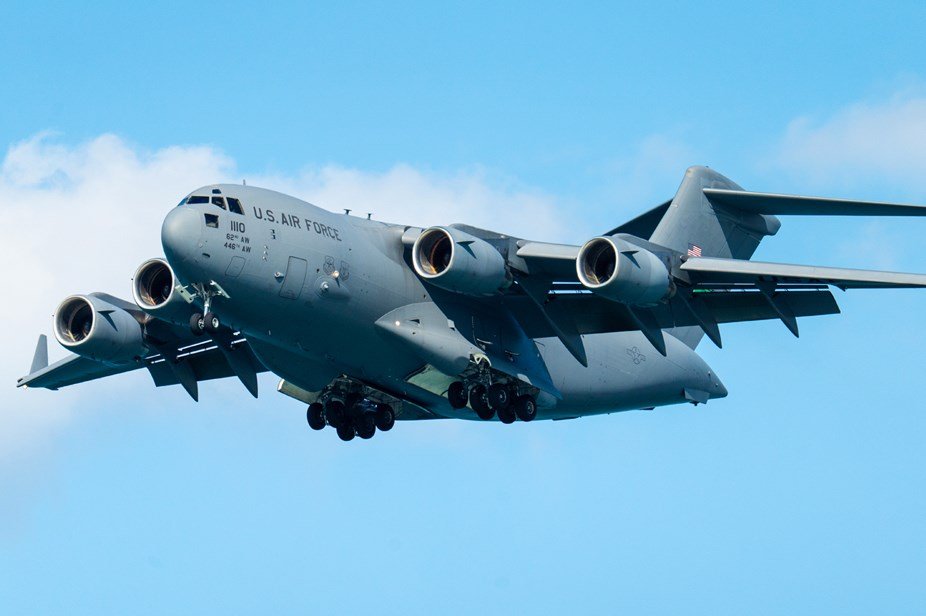
Curtiss-Wright Corporation has secured a pivotal role in modernizing the United States Air Force’s C-17 Globemaster III fleet. The company was selected by prime contractor Boeing to provide new mission computer technology for the Flight Deck Obsolescence and Technology Refresh program. This multi-million-dollar initiative, with an estimated lifetime contract value exceeding $400 million, is designed to ensure the strategic airlifter remains operationally viable and technologically competitive for decades to come.
The core of the upgrade involves replacing aging cockpit systems with new, high-performance mission computers aligned with the Modular Open Systems Approach (MOSA). By adhering to MOSA principles, Curtiss-Wright’s solution ensures the C-17’s avionics architecture is not only more powerful but also inherently flexible. This open architecture allows for easier and more cost-effective integration of future technologies, protecting the fleet against rapid obsolescence and enabling continuous capability enhancements without requiring a complete system overhaul.
Lynn M. Bamford, Chair and CEO of Curtiss-Wright, emphasized the strategic importance of the collaboration. She stated that providing rugged, scalable computing technology directly supports the long-term readiness of a platform vital to global logistics and mobility operations. The new systems are engineered to evolve alongside emerging mission requirements, ensuring the C-17 maintains its performance and availability as the backbone of strategic airlift.
Since its introduction in the early 1990s, the C-17 has been indispensable for the rapid global transport of troops, heavy equipment, and supplies. This modernization program will extend that legacy, supporting not only the U.S. Air Force but also allied international partners who operate the aircraft. The selection builds upon a longstanding relationship between Curtiss-Wright and Boeing, reinforcing Curtiss-Wright’s position as a critical supplier of embedded computing solutions for next-generation defense aerospace programs. The upgraded mission computers will provide the computational backbone for a more advanced, connected, and resilient cockpit, ready to meet the challenges of future operational environments.