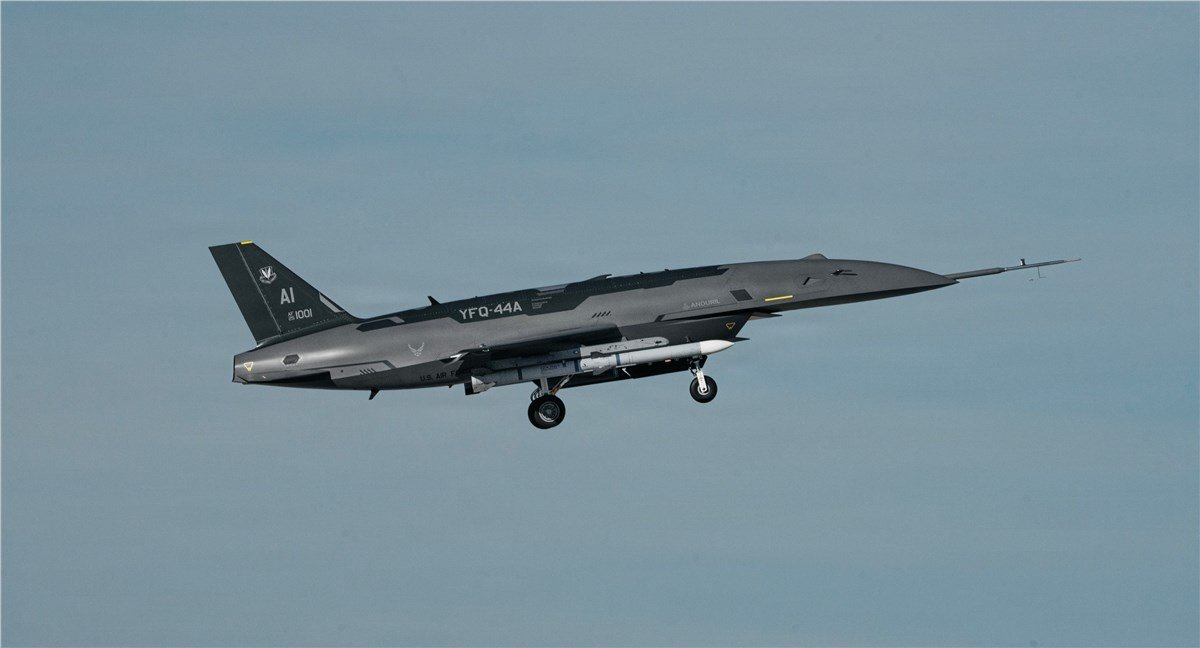
The U.S. Air Force has officially advanced to a critical new phase in the development of its Collaborative Combat Aircraft (CCA) program, initiating comprehensive weapons integration testing. This stage, which involves captive carry evaluations with inert munitions, is designed to rigorously validate the airworthiness, structural integrity, and system performance of the uncrewed platforms before any consideration of live-fire exercises.
This measured milestone marks a significant step in weaving the CCA into the fabric of the Air Force’s future force structure. During captive carry tests, the aircraft are flown while carrying inert test weapons—ordnance without explosive warheads or propulsion systems. This allows engineers to assess how the aircraft handles the added weight and aerodynamic drag, ensuring the platforms can safely transport external stores under real-world flight conditions. The data gathered is crucial for confirming the structural limits of the airframe and verifying the seamless compatibility between the aircraft and its intended weapon systems.
“We are adhering to the same rigorous, step-by-step approach that has defined every successful aircraft developmental test program,” said Air Force Chief of Staff Gen. Ken Wilsbach. “Validating structural performance, flight characteristics, and safe separation with inert weapons is non-negotiable. It ensures the CCA can safely integrate these systems long before we ever authorize operational employment.”
The CCA initiative is a cornerstone of the Air Force’s vision for modern warfare, focusing on delivering affordable, mission-adaptable uncrewed aircraft that operate in tandem with crewed fighters like the F-35 and next-generation platforms. These “loyal wingman” drones are intended to extend sensor reach, provide additional firepower, and enhance survivability for human pilots operating in highly contested environments. By absorbing some of the most dangerous mission segments, CCAs will allow crewed aircraft to stay further from threats while maintaining lethal effectiveness.
Program officials stress that this current testing phase remains firmly rooted in development and safety assurance, not operational tactics. The exclusive use of inert test weapons provides a controlled environment for engineers and test pilots to evaluate performance boundaries and separation dynamics without the risks associated with live ordnance.
“CCA is not just another aircraft; it is a critical node in a larger, integrated system-of-systems designed to give our warfighters an overwhelming advantage,” Wilsbach added. “We are building a network of effects capable of sensing, striking, and shielding our forces. By empowering our teams to take calculated, smart risks, we are accelerating capability delivery to ensure we can deter—and if necessary, decisively defeat—any adversary.”
Throughout all stages of development and testing, the Air Force maintains a strict human-on-the-loop and human-in-the-loop authority over any weapons release decisions. The CCA program is designed to operate seamlessly within the existing command structures and legal frameworks that govern all U.S. military weapons systems.
By advancing weapons integration through a deliberate, transparent, and safety-focused process, the Air Force is not only modernizing its combat fleet but also reaffirming its commitment to responsible innovation in defense technology.