The European Union faces an expanding spectrum of threats across all operational domains—air, land, sea, and cyber. This evolving security landscape underscores an urgent need to modernize defence capabilities and bolster the continent’s strategic autonomy. A key vulnerability lies in the growing obsolescence of current military platforms, which are often costly to maintain, reliant on non-EU supply chains, and risk ceding technological ground to global competitors.
In direct response, the European Defence Fund has launched Project MaJoR. This ambitious, multi-national initiative is dedicated to developing next-generation technologies for the Maintenance, Joining, and Repair of defence platforms. By focusing on these critical areas, MaJoR aims to significantly enhance the durability, affordability, and operational readiness of Europe’s future military assets.
A Multidomain Strategy for Enhanced Resilience
MaJoR’s approach is to bridge the technological maturity gap between different defence sectors. For instance, while advanced composite materials are standard in aerospace, their application in naval and land vehicles is still emerging. The project will push the boundaries of these technologies by developing and testing them through domain-specific demonstrators. The key objectives are to:
- Reduce life-cycle costs, platform weight, and production lead times.
- Increase vehicle availability and space efficiency.
- Mitigate supply chain dependencies by innovating in materials and processes.
Furthermore, MaJoR is committed to strengthening the European defence industrial base. A core component of the project involves providing financial support to third parties, particularly small and medium-sized enterprises (SMEs) and start-ups. This strategy is designed to inject innovative ideas into the supply chain and accelerate the adoption of cutting-edge solutions.
A Collaborative European Endeavour
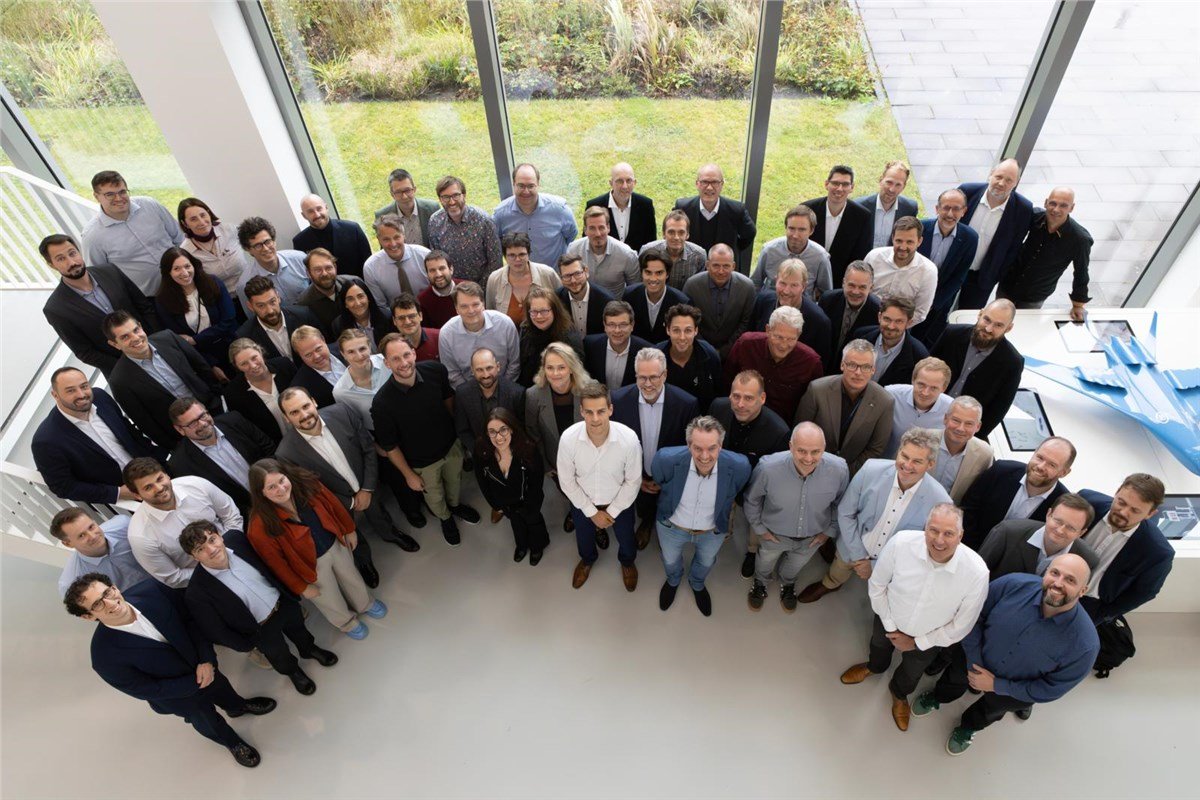
Success hinges on deep cross-border collaboration. The MaJoR consortium unites 38 entities from 10 Member States, coordinated by the Royal Netherlands Aerospace Centre (NLR). This powerful network includes 14 large industrial players, 8 SMEs, 11 research centres, and 2 universities, creating a synergistic ecosystem poised to fortify Europe’s Defence Technological and Industrial Base (DTIB) by 2030.